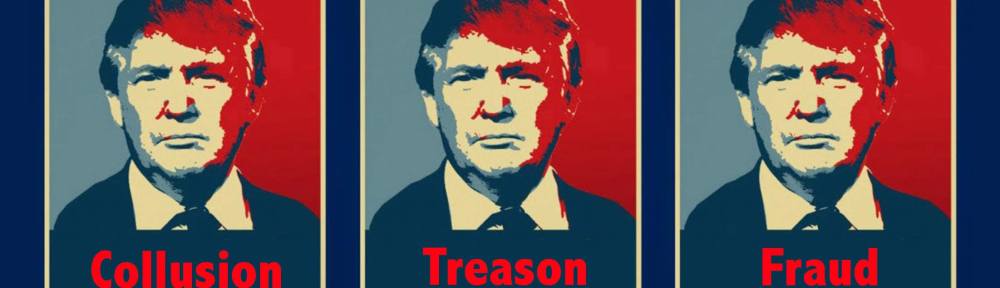
The post-WWII world order of American dominance is over. Donald Trump proves it.
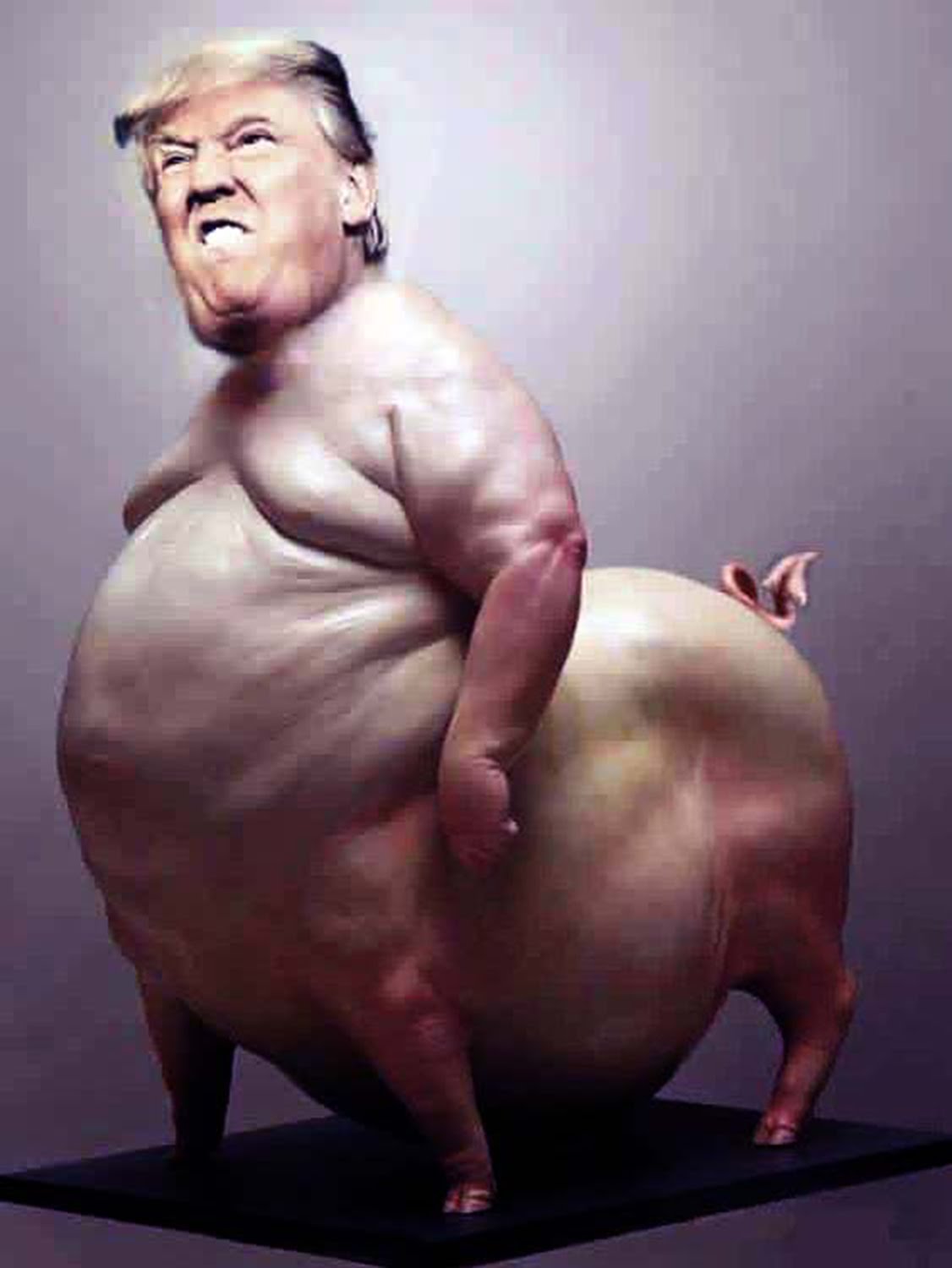
Donald Trump Is A Pig

In February 1941, Henry Luce, the influential publisher of Time and Life magazines, penned an article heralding the “American Century,” a post-war era in which the United States would apply its newfound standing as the “dominant power in the world” to spread “free economic enterprise” and “the abundant life” around the globe. Luce envisioned the United States as “the principal guarantor of the freedom of the seas” and “the dynamic leader of world trade,” and saw in this future “possibilities of such enormous human progress as to stagger the imagination.”
The next several decades would prove Luce right, as the United States emerged from World War II as one of two global superpowers and, arguably, the world’s preeminent cultural and economic force. Luce, who was a Republican, intended his broadside to serve as a template for conservative internationalism — in effect, a powerful response to the party’s isolationist, America First wing. But this concept — of America as a friendly goliath, the “Good Samaritan of the entire world,” promoting democracy, capitalism, trade and international order — guided the thinking of most policymakers and politicians across the political spectrum for the better part of a century.
Until now.
Donald Trump’s second presidential victory represents a sharp break, and perhaps a permanent one, with the American Century framework. It’s a framework that rested on four key pillars:
A rules-based economic order that afforded the U.S. free access to vast international markets.
A guarantee of safety and security for its allies, backed up by American military might.
An increasingly liberal immigration system that strengthened America’s economy and complemented military and trade partnerships with the rest of the non-Communist world.
And finally, in Luce’s words, a “picture of an America” that valued — and exported to the rest of the world — “its technical and artistic skills. Engineers, scientists, doctors … developers of airlines, builders of roads, teachers, educators.”
Though this was the second time Trump won the presidency, the meaning of the 2024 election is different. For one, he won the popular vote — becoming the first Republican to do so in the last 20 years. What’s more, in his most recent electoral bid, Trump and his advisers (including his running mate) made tariffs, rapprochement with foreign dictators, a drawback from NATO and gutting federal agencies core themes of their campaign. Much more so than in 2016, when Trump lacked any demonstrated track record in political office, this campaign was very specific about the world it intended to construct — and nearly 50 percent of voters endorsed that program. This time, the president-elect is quite serious about ending the American Century. In fact, he’s already making moves to tear it down.
Just look at his recent cabinet nominations. Tulsi Gabbard, Trump’s pick as director of national intelligence, has defended both Syrian dictator Bashar al-Assad, whom she has met multiple times, and Vladimir Putin’s reasoning for invading Ukraine — hardly an encouraging choice for American allies looking for a guarantee of safety and security. Howard Lutnick, his pick for commerce secretary, is a diehard supporter of Trump’s aggressive tariff agenda, which would drastically curtail U.S. participation in an international free market. The elevation of former acting ICE director — and Project 2025 contributor — Tom Homan to the position of “border czar” carries implications for American immigration policy so obvious they hardly require explanation. And as for trusting in expertise, Trump has appointed anti-vaccine conspiracy theorist Robert F. Kennedy Jr. to lead the Department of Health and Human Services.
 | | | alexmbustillo | | |
You must be logged in to post a comment.